How do you use a proofing basket?
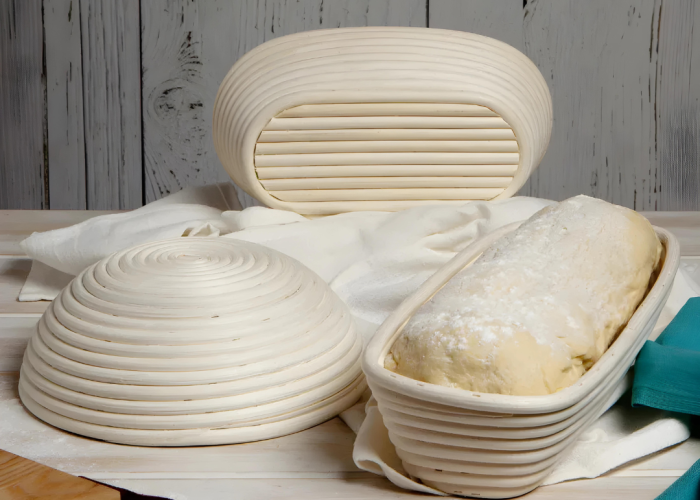
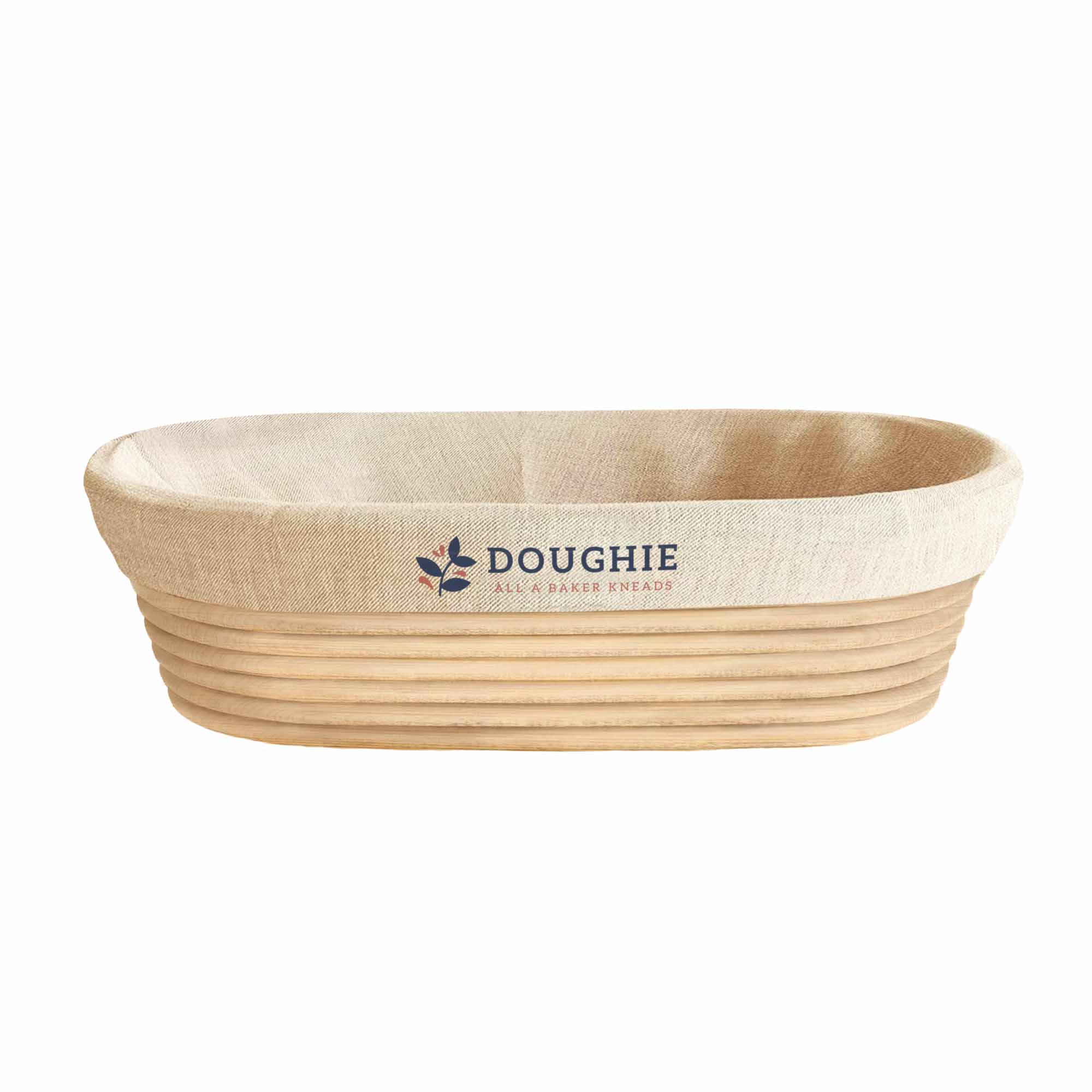
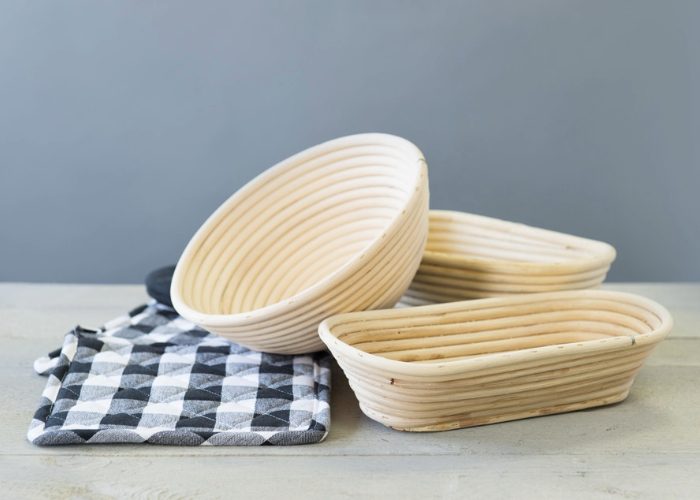
2985952025-08-19T18:35:16+00:00Proofing baskets are also known as bannetons. Originally, they were wicker or rattan baskets skillfully woven. Nowadays, they are also made of wood or plastic, but a genuine wicker proofing basket remains the best choice. The baskets come in various shapes. You can choose a round model, but also opt for oblong or oval. The shape of the basket influences the final shape of your bread.
What is the function of a proofing basket?
The name says it all: you use a proofing basket to let your bread rise. It is especially wise to use a basket for sourdough bread. This dough is much wetter and less firm than that of regular bread. So, if you want to ensure your bread eventually takes on a nice shape, you need to support the dough during the rising process. You do this by shaping the dough and then placing it in a proofing basket. During rising, the dough follows the shape of this basket, resulting in a beautiful round or oval shape.
Why do you use a special proofing basket and not a simple bowl? Because your dough needs oxygen to continue rising. A wicker basket is never completely airtight. This allows oxygen to easily reach the dough, ensuring a good rise. It also makes it easier to see how much the dough has risen. A proofing basket consists of several layers. You can easily read at which layer the dough started to rise and, over time, learn at which layer it has risen sufficiently.
One of the reasons to bake your own bread is to be able to cut a beautiful design into the dough. A proofing basket makes this easier. The natural material absorbs moisture from the dough. As a result, the outside is just a little drier. This makes it easier to cut a design into the dough with your bread knife.
How do you use a proofing basket?
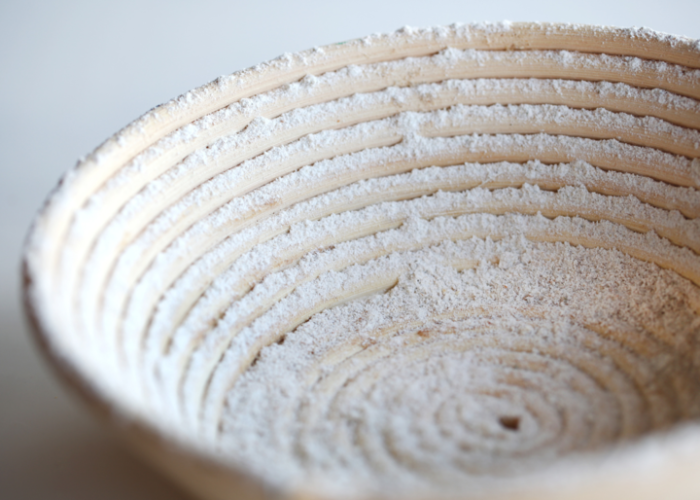
Do not use wheat flour for this step. The moist dough causes the wheat flour to develop gluten, making it sticky. Therefore, use rye flour. This is gluten-free, so it will not stick. An added bonus is that rye flour also gives your bread a very rich, deep flavor.
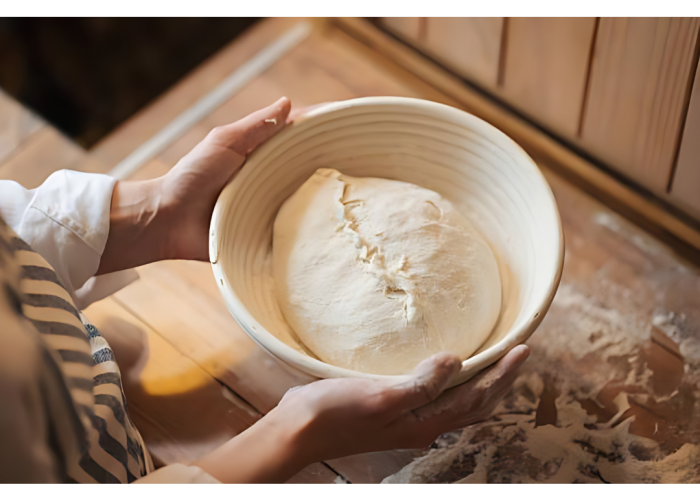
You use your proofing basket for the final rise of your bread. You have therefore already let the dough rise once outside the basket. Next, you shape it by rolling the dough into a ball or lengthening it. The shape you choose depends on the shape of your proofing basket. A round basket calls for a round loaf, while an oblong basket calls for a long loaf. Make sure the “seam” of the dough points upwards. After the final rise, you are going to tip your dough onto a piece of baking paper. This way, the seam will eventually end up at the bottom. The shape of the proofing basket ensures that the top develops a beautiful, even shape.
-
Proofing baskets
Round proofing basket (height 8cm)
€ 11,95Original price was: € 11,95.€ 10,45Current price is: € 10,45.Select options This product has multiple variants. The options may be chosen on the product page -
Proofing baskets
Oval proofing basket (width 14cm)
€ 12,95Original price was: € 12,95.€ 11,45Current price is: € 11,45.Select options This product has multiple variants. The options may be chosen on the product page
Next, let the dough rise. This can be done in several ways. Simply place it on the counter and follow your usual rising time. Cover the basket with a damp tea towel to keep the dough warm and moist. Are you planning to bake your dough the next morning? Then place the proofing basket in the refrigerator. This can be done with a tea towel over the dough, or in a plastic bag to retain moisture even better.
With or without a cloth?
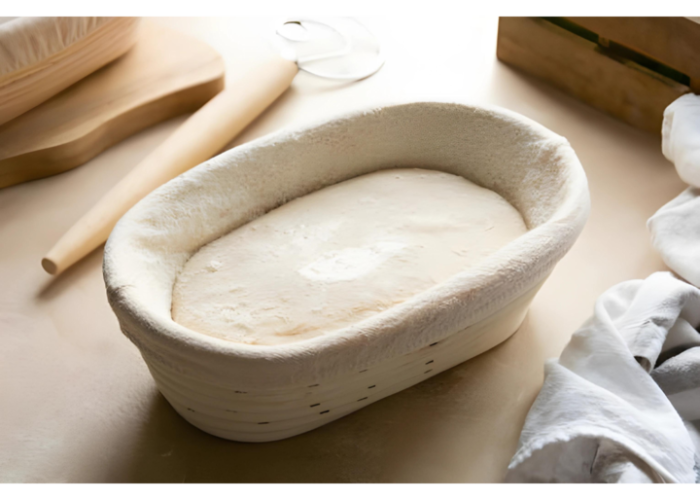
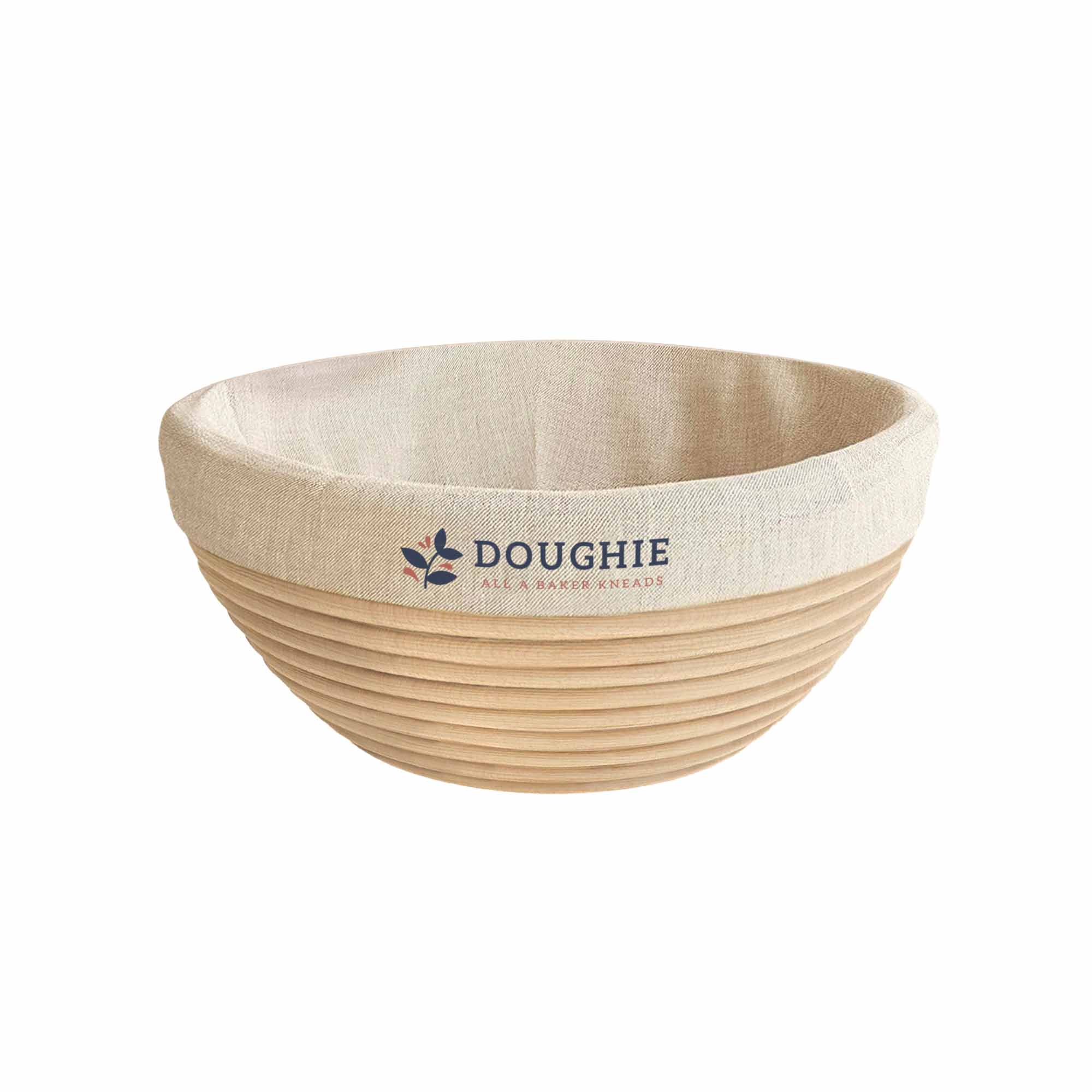
A proofing basket is often supplied with a cloth. This cloth is exactly the right size to fit inside the basket. A small elastic band holds the cloth in place. But what is its function? There are two reasons to use a cloth when proofing your bread. Firstly, this cloth helps absorb excess moisture. Do you notice that your dough is still a bit too wet when you start cutting a pattern into it? Then it is wise to use a cloth during proofing from now on.
Another reason is to influence the shape of the bread. A proofing basket is never completely smooth. The wicker edges create a characteristic pattern in the bread. That looks beautiful, but it might not be the look you are going for. By using a cloth, you even out the shape of the bread. Do you have a proofing basket that didn't come with a cloth? Then simply use a tea towel for the same effect.
Cleaning your proofing basket
Your bread is in the oven, so it is time to clean the proofing basket. The nice thing is that you don't need to rinse the basket, unless dough has stuck to it. Usually, only some flour remains. Simply tap this out over the trash can. Let the proofing basket dry for a moment and then store it away.
Did some dough stick to the basket? If so, this is a sign to sprinkle a little more flour in the basket before putting dough in it. No problem, rinse the basket under the tap. Use cold water and a clean dish brush to brush the dough loose. Let the basket dry thoroughly before storing it. That way, it's ready for the next loaf!
Good luck with the baking!
Love,
Doughie