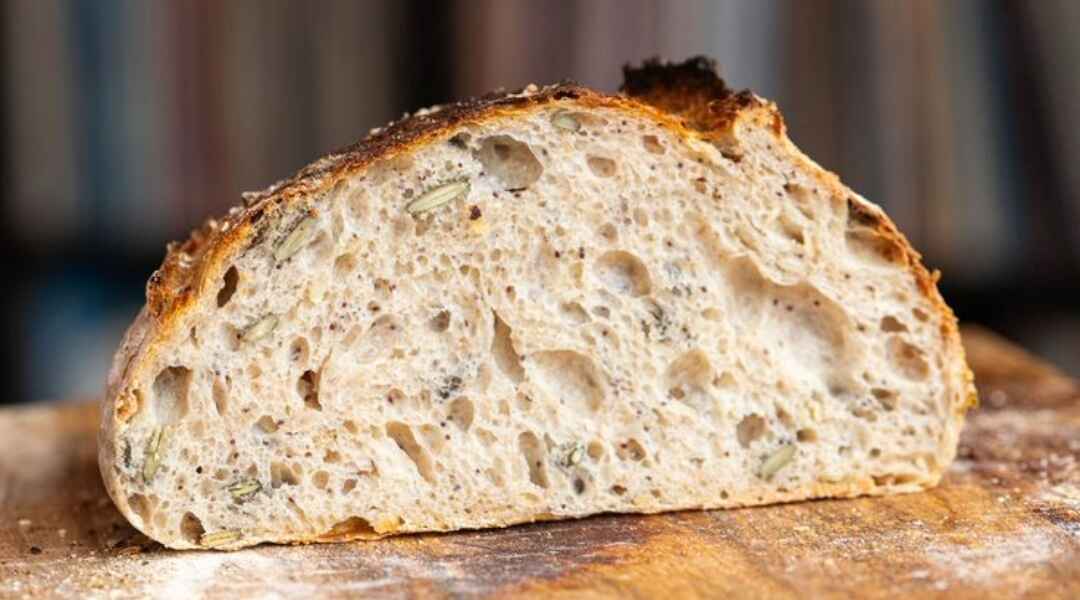
Zuurdesembrood (cover)

What is sourdough bread? Discover everything about this traditional bread.

Table of contents

1. The origin of sourdough bread
2. What makes sourdough bread unique?
3. How is sourdough bread made?
4. The nutritional value of sourdough bread
5. Health benefits of sourdough bread
6. Tips for choosing good sourdough bread
7. Making your own sourdough bread: a simple guide
8. Summary

1. The origin of sourdough bread

Sourdough bread is one of the oldest forms of bread known to man. It was baked by various civilizations thousands of years ago, long before yeast was discovered. The fermentation process that characterizes sourdough bread originally occurred spontaneously due to the natural yeasts and bacteria present in the flour and the environment.

2. What makes sourdough bread unique?

The special thing about sourdough bread is the fermentation process with a natural starter. This ensures:

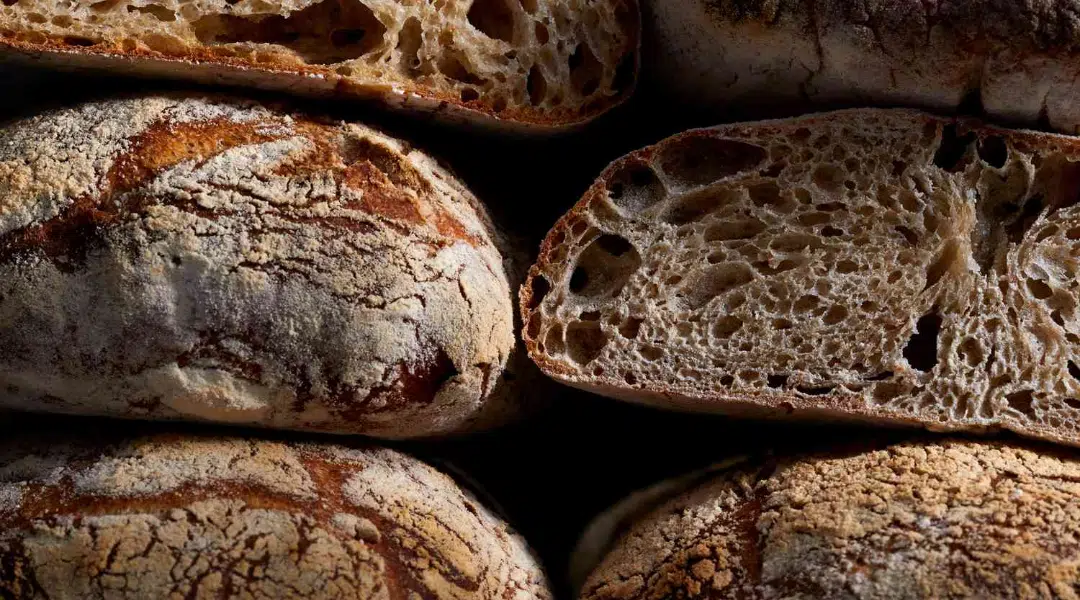
  • A characteristic taste: Slightly acidic and complex, thanks to the lactic acid bacteria.
  • A sturdy structureThe bread has a dense but airy texture.
  • Long shelf life: Due to the natural acids, sourdough bread stays fresh longer.

3. How is sourdough bread made?

Zuurdesembrood
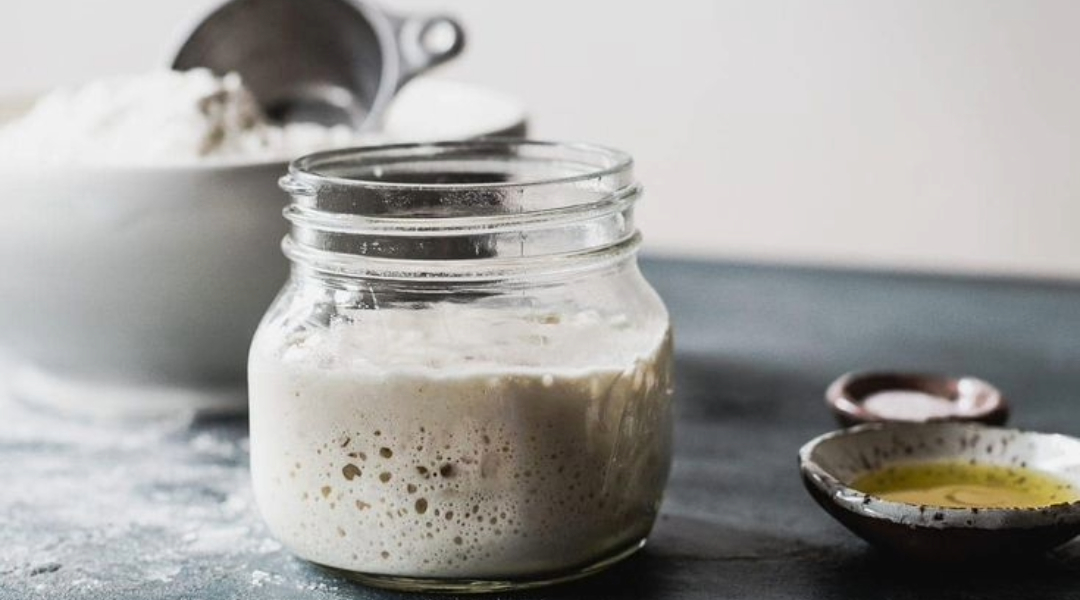
The process begins with a starter, a mixture of water and flour that is fermented. Here are the steps:
  1. Activate the starter: Mix equal parts water and flour, let it ferment for a few days until it bubbles. Read More.
  2. Making the dough: Add the starter to the flour, water, and salt. Read More.
  3. Long driving time: Let the dough rest for hours to develop flavors.
  4. Baking: The bread is baked at a high temperature for a crispy crust. 

4. The nutritional value of sourdough bread

Type of Bread White bread 1 slice 35g Brown bread 1 slice 35g Whole grain 1 slice 35g Sourdough 1 slice 50g Rye bread 1 slice 40g
Calories 86 83 82 118 77
Fat 0.6g 0.6g 0.7g 1.3g 0.5g
Carbohydrates 16.8g 15.1g 13.7g 20.2g 14.4g
Sugars 0.8g 0.7g 1.1g 1.3g 3.3g
Fibres 0.9g 1.8g 2.3g 3g 3.3g
Proteins 3.2g 3.4g 3.8g 4.7g 2.2g
Iron 0.3 mg 0.5 mg 0.7 mg 1.3 mg 12mg
Vitamin B1 0.02 mg 0.03 mg 0.04 mg 0.09 mg 0.02 mg
Vitamin B3 0.32 mg 0.42 mg 0.56 mg 0.65 mg 0.44 mg
Vitamin B6 0.01 mg 0.02 mg 0.04 mg 0.05 mg 0.08 mg
Folic acid 8µg 9µg 13µg 13µg 12µg

Sourdough bread is full of:

Thanks to fermentation, these nutrients are more easily absorbed.

5. Health benefits of sourdough bread

Gezondheidsvoordelen van Zuurdesembrood
  1. Easier to digest: Phytic acid, which can block minerals, is broken down during fermentation.
  2. Lower on the glycemic index: It causes fewer fluctuations in blood sugar levels.
  3. Natural and pure: Free from artificial additives, often organic.
  4. Less glutenThe fermentation process breaks down part of the gluten, which makes it easier to digest for some people.

6. Tips for shaping good sourdough bread

  1. Check the ingredients: Choose bread without additives such as sugar and preservatives.
  2. Watch out for the crustA good crust is firm and slightly crispy.
  3. Buy LocalArtisan bakers often use traditional methods.
Zuurdesembrood

7. Making your own sourdough bread: a simple guide

Do you want to get started yourself? Follow these steps:

  1. Make a starter: Mix 50 grams of flour and 50 ml of water, repeat this daily until the mixture is active.
  2. Prepare the dough: Combine the starter with flour, water, and salt.
  3. Let it restThe dough needs to rise for several hours.
  4. Shape and bakeShape the dough, let it rise again, and bake in a hot oven. 

It takes some patience, but the result is a delicious, homemade loaf.

Read our other blogs for more information.

8. Summary

Sourdough bread is a healthy and flavorful bread that is unique due to its fermentation. It offers various benefits, such as better digestibility and a lower glycemic index. Whether you choose artisanal sourdough bread or bake a loaf yourself, you can enjoy the rich flavors and health benefits.

Share this post