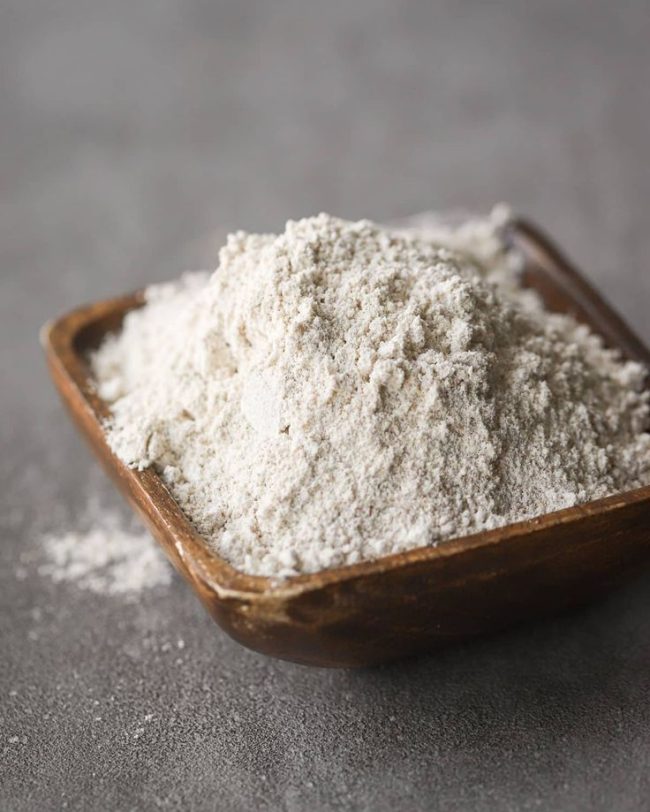
Which flour is best for your sourdough starter? Discover the options here!
2985952025-08-19T18:34:57+00:00Choosing the right flour for your sourdough starter is important for the success of your homemade bread. In this blog, we discuss the best types of flour for your starter. and how they contribute to healthy and active fermentation.
Table of contents:
- Introduction
- Why the right flour is important
- Types of flour for your sourdough starter
- Tips for choosing the best flour
- Common mistakes and how to avoid them
- Conclusion
1. Introduction
A sourdough starter is the foundation of delicious, homemade bread. Choosing the right flour plays a crucial role in the fermentation process and the final taste and texture of your bread. If you prioritize health and sustainability, it is important to know which types of flour are best for an active and healthy sourdough starter.
2. Why the right flour is important
The flour you choose for your sourdough starter influences the activity of the natural yeasts and bacteria responsible for fermentation. Flours with a high content of natural microorganisms and nutrients promote a strong and active starter, resulting in better-risen and more flavorful bread.3. Types of flour for your sourdough starter
Below, we discuss some types of flour suitable for making a sourdough starter:- Whole wheat flourWhole wheat flour contains the entire grain kernel, including bran and germ, resulting in a high content of nutrients and natural yeasts. This promotes active fermentation and a robust starter.
- Rye flourRye flour is known for its high content of enzymes and nutrients that stimulate the growth of lactic acid bacteria. This results in a mild, slightly acidic taste and an active starter. Many bakers recommend starting your starter with rye flour because of these properties.
- Spelt flourSpelt is an ancient grain with a mild flavor and a high content of protein and minerals. Spelt flour can contribute to an active starter and give your bread a unique flavor.
- Organic flourThe use of organic flour is important for a healthy starter. Organic flour is free from pesticides and chemicals that can disrupt fermentation. Furthermore, it often contains more natural microorganisms that are essential for an active starter.
4. Tips for choosing the best flour
- VarietyCombining different types of flour can increase the diversity of microorganisms in your starter, resulting in a more complex flavor and better fermentation.
- Local millsConsider buying flour from local mills. Freshly ground flour often contains more active enzymes and microorganisms, which improves the quality of your starter.
- FreshnessAlways use fresh flour for your starter. Old flour can become rancid and contain fewer active enzymes, which hinders fermentation.
5. Common mistakes and how to avoid them
- Use of bleached flourBleached flour lacks the natural microorganisms and nutrients necessary for healthy fermentation. Always choose unprocessed, whole wheat, or organic flour.
- Irregular feedingA starter requires regular feeding to remain active. Consistently use the same type of meal when feeding to keep the microorganisms stable.
- Incorrect hydrationThe ratio of water to flour is crucial. A starter that is too dry or too wet can disrupt fermentation. Maintain a 1:1 ratio of flour to water, unless otherwise indicated in your recipe.
Conclusion
Choosing the right flour for your sourdough starter is essential for successful fermentation and delicious bread. Whole wheat flour, rye flour, and spelt flour are excellent choices, especially in their organic form. By consciously choosing high-quality flour, you not only support your health but also a sustainable and circular lifestyle.