

How to score with sourdough bread? Tips for an artisanal result.
2985952025-08-19T18:34:42+00:00Table of contents
Why scoring is important
Scoring sourdough bread is more than an aesthetic addition; it has a practical function. By scoring the bread, you give the dough room to expand during baking.. This prevents uncontrolled cracking and ensures a beautiful, artisanal appearance. Moreover, scoring allows you to add a personal style to your bread. Scoring also helps to distribute the heat more evenly throughout the bread, resulting in better texture and flavor.

Choosing the right tool
A sharp knife is crucial for making nice, clean cuts. You can use a special baker's knife, such as a lame. Alternatively, a razor blade works well too. Ensure your tool is sharp and clean so that you cut through the dough without resistance.
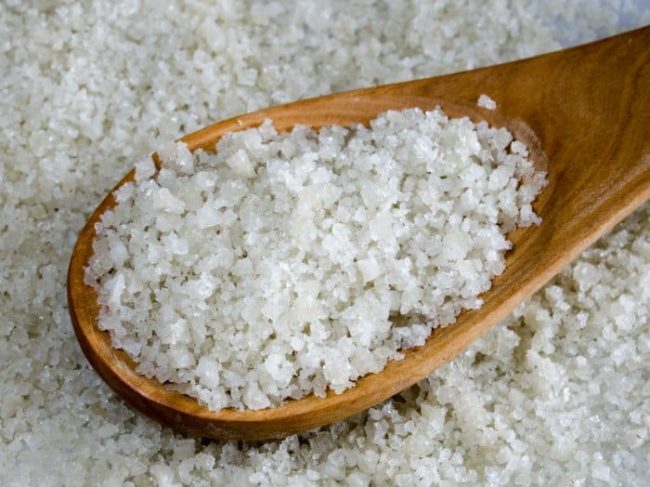
Additionally, can a salt mill with Celtic sea salt can be a flavorful addition. Sprinkle a pinch of salt over your dough before baking for a subtle crunch and extra flavor.
The ideal moment to score
Timing is everything. The dough must be sufficiently risen, but not overripe. Gently press the dough: if it springs back slightly without collapsing completely, it is ready to be scored.. Do this just before you put the bread in the oven. A well-preheated oven (preferably with a pizza stone or cast iron pan) is essential for a perfect result. Adding steam during baking also ensures that the slices open up nicely.
Various scoring techniques
Scoring offers many creative possibilities. Here are some popular techniques:
- Classic cut: A single diagonal cut down the middle.

- Floral pattern: Multiple small cuts that together form a flower.

- Stitch pattern: Vertical or horizontal lines for a sleek and modern look.

- Custom design: Experiment with your own patterns to create a unique result.

Try out different techniques and discover what suits your baking style best. Consider choosing a pattern that suits the occasion, such as a heart-shaped design for a special occasion.
Tips for a perfect result
- Work fast and confidently: A smooth, quick movement gives the best result.
- Use steam: Add a little steam to your oven for a crispy crust. For example, place a bowl of water in the oven.
- Try Celtic sea salt: This high-quality sea salt adds an extra dimension to the flavor of your bread. Available in 500 grams or with a handy salt mill, ideal for sprinkling directly onto the dough.
- Keep practicing: As with everything, practice makes perfect. Every loaf of bread you bake brings you closer to perfection.
Focus on consistency: By scoring regularly, you learn how your dough reacts to different techniques and baking conditions.
Usage Celtic sea salt for extra flavor
For a real flavor boost, we recommend Celtic sea salt. This salt is rich in minerals and gives your sourdough bread a subtle yet distinctive taste. Use the 500-gram variety or choose the salt mill to dose the salt just right. Add a small amount to the dough or sprinkle it directly over the dough for an extra crispy crust. Celtic sea salt can also be mixed with herbs for a unique twist in your sourdough bread.
Common scoring mistakes
Mistakes often occur when learning to score bread. Here are some common mistakes and how to avoid them:- Cut too deep: If the cut is too deep, the bread may collapse during baking. Cut about 1 to 2 centimeters deep for the best result.
- Insufficiently sharp tools: A blunt knife or razor blade can tear the dough instead of cutting it, resulting in a messy outcome. Use a sharp baker's knife, like ours. lame for sourdough bread, to achieve professional results.
- Dough too wet: If the dough is too sticky, it can be difficult to make clean cuts. Ensure that your dough has sufficient structure.
- Waiting too long: If you wait too long after rising, the dough can collapse and lose its elasticity. Score immediately before the bread goes into the oven.