


09Jan
Is Celtic sea salt bad for the kidneys? Discover the facts and benefits.
2985952025-08-19T18:34:35+00:00Table of contents
- What is Celtic sea salt?
- How do the kidneys work and what is their relationship with salt?
- Celtic sea salt versus regular salt
- Can Celtic sea salt be bad for the kidneys?
- The benefits of Celtic sea salt
- How do you use Celtic sea salt in a healthy way?
- Why choose Doughie's Celtic Sea Salt?
- Summary
What is Celtic sea salt?
Celtic sea salt is an unprocessed and natural salt harvested from small-scale salt fields in Guérande, France. It contains more than 80 minerals and trace elements that are essential for good health, such as magnesium, potassium, and calcium. This makes it a popular alternative to refined table salt. At Doughie, we offer Celtic sea salt in various forms, such as a handy salt mill or a 500-gram bag. This natural product is perfect for conscious consumers who value quality and authenticity.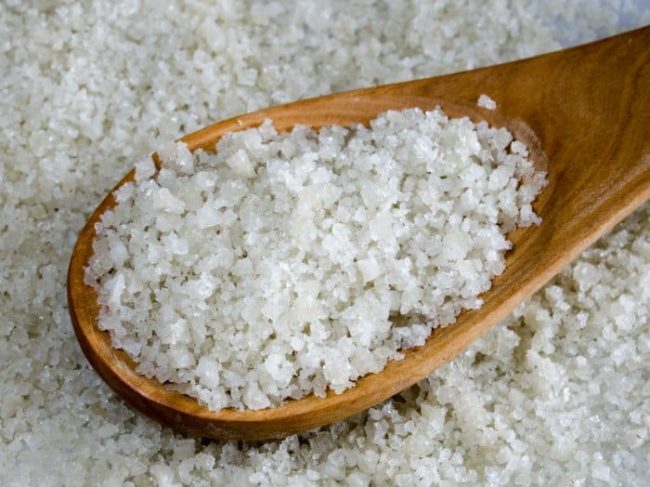
How do the kidneys work and what is their relationship with salt?
The kidneys play a crucial role in our body. They filter waste products from the blood, regulate fluid balance, and maintain the correct level of electrolytes, including sodium. Salt consumption directly affects the kidneys, as excessive salt intake can lead to high blood pressure and an additional burden on these organs. But not all salt is created equal. The type of salt and the amount you consume make a big difference. This is where Celtic sea salt comes into play.
Celtic sea salt versus regular salt
Regular table salt undergoes an intensive processing process. in which it is stripped of virtually all minerals. Chemical substances are often added as well, such as anti-caking agents. Celtic sea salt, on the other hand, is pure, unprocessed, and contains a natural balance of minerals. These differences have a direct impact on how the body processes salt. While regular salt can have a negative influence on health, Celtic sea salt actually offers benefits, provided it is used in moderation.
Can Celtic sea salt be bad for the kidneys?
The short answer is no., provided you consume it in moderation. Celtic sea salt contains a natural balance of minerals that help the body process sodium in a healthy way. Studies suggest that the minerals in Celtic sea salt support kidney function by helping to regulate blood pressure and improve electrolyte balance. However, excessive use of any type of salt, including Celtic sea salt, can be problematic. It is important to maintain a balanced salt intake and tailor it to your personal health needs. Consult a doctor or dietitian if in doubt.
The benefits of Celtic sea salt
- Rich in mineralsIt contains essential trace elements such as magnesium and potassium, which have a positive influence on the body.
- Pure and unprocessed: Free from additives and chemical treatments.
- Supports hydrationThe minerals in Celtic sea salt help maintain a good fluid balance.
- Healthy electrolyte balanceThis supports the functioning of muscles and nerves.

How do you use Celtic sea salt in a healthy way?
- DosageUse a maximum of 5 to 6 grams of salt per day, including what is already present in foods.
- To cook: Add Celtic sea salt to your dishes for a natural flavor enhancement.
- HydrationMix a pinch of salt in a glass of water after an intense workout to replenish electrolytes.

Why choose Doughie's Celtic Sea Salt?
At Doughie, we work with Patrick Pichon, an experienced salt farmer from Guérande, to offer you the purest and most natural sea salt. Our products are:
- Organic and sustainable: Perfect for conscious consumers.
- High quality: Free from additives and full of natural minerals.
- Practically packed: Available in 500-gram jars or with a handy salt mill.
Do you want to make a healthy and conscious choice? View our collection of Celtic sea salt on our website.


